

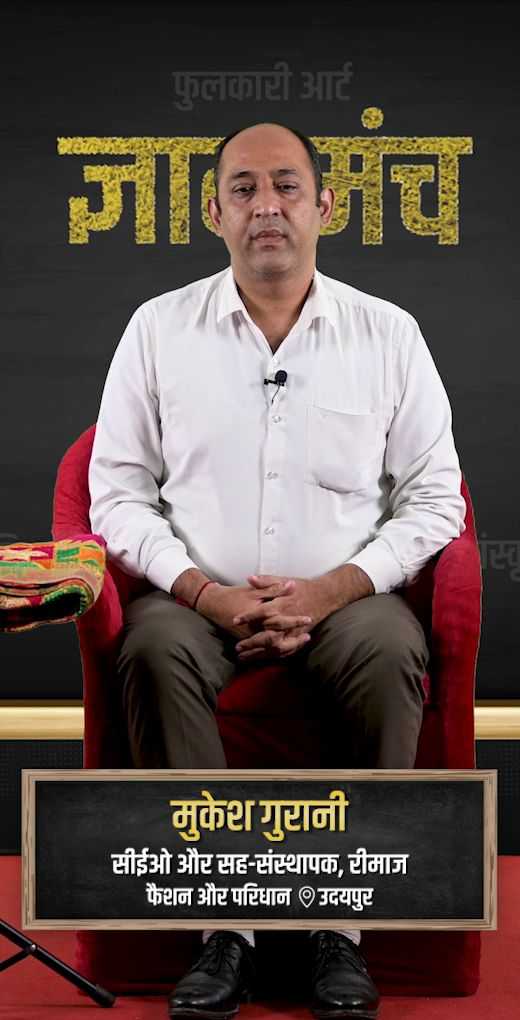
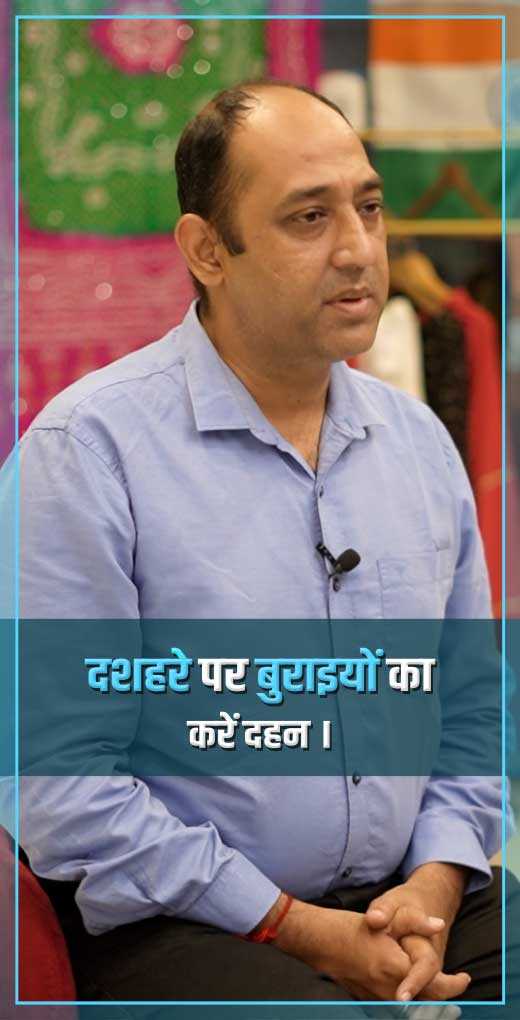
In this episode of the Textile Art Series, Mukesh Gurani, CEO and Co-Founder of Reemaz, talks about Mashru fabric (मशरू फैब्रिक), a unique material that combines the best qualities of cotton and silk.
He explains that Mashru Fabric uses both cotton and silk threads in a special way, silk remains on the outer surface, giving a luxurious appearance, while cotton stays on the inner side, ensuring comfort against the skin. This design allows the fabric to retain elegance without compromising on comfort.
As a result, clothes made from Mashru fabric display a beautiful sheen and luster on the outside, while the inner cotton layer ensures comfort, making them suitable to wear throughout all 12 months.
Talking about the history of Mashru Fabric, Mukesh Gurani explains that it originated from Arabian and Persian countries and found its main production centers in Patan and Mandvi regions of Gujarat. These areas, being port regions, make it convenient to export the fabric and related products. Additionally, nearby regions of Rajasthan, known for their high temperatures, benefit from Mashru fabric, as its cotton inner layer makes wearing silk comfortable even in hot climates.
Over time, Mashru fabric spread across India, particularly in the Deccan region, where the Nizams adopted it as a heritage fabric. In the 16th century, the Ain-i-Akbari mentions that this fabric is suitable for royals and courtiers. Even today, Mashru remains a sustainable and heritage fabric, embraced by numerous leading brands and designers.
International brands like Tagore and Indian brands such as Anokhi and Fab India continue to create garments using this fabric, promoting it under the slow fashion movement and presenting it in exquisite designs.
The motifs commonly made with Mashru fabric include Ekath and Patola, along with Khanjori and other intricate patterns, adding to its elegance and cultural richness.











Aapki Digital Pehchan


We can. Bharat can.